Research
I study past and present changes in estuarine biogeochemistry caused by human activity, and I develop analytical techniques that make estuarine research more accessible. My work spans temporal and spatial scales, from high-resolution sensors to sediment cores spanning centuries, and from regional analyses of Narragansett Bay to global syntheses of inland and coastal waters.
Historical nutrient reconstruction
By combining stable isotopes, radiometric dating, and historical ecology, I use sediment cores to reconstruct how nutrient loading and ecosystem function in urbanized estuaries have changed since before industrialization.
Ecosystem management
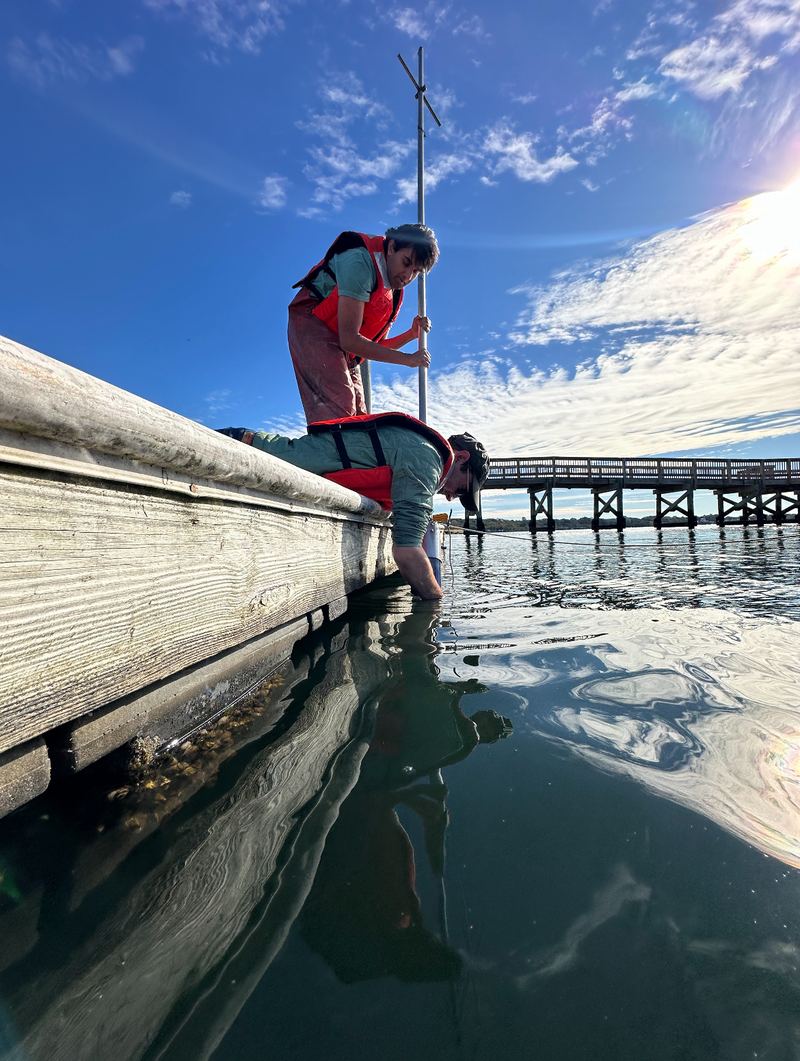
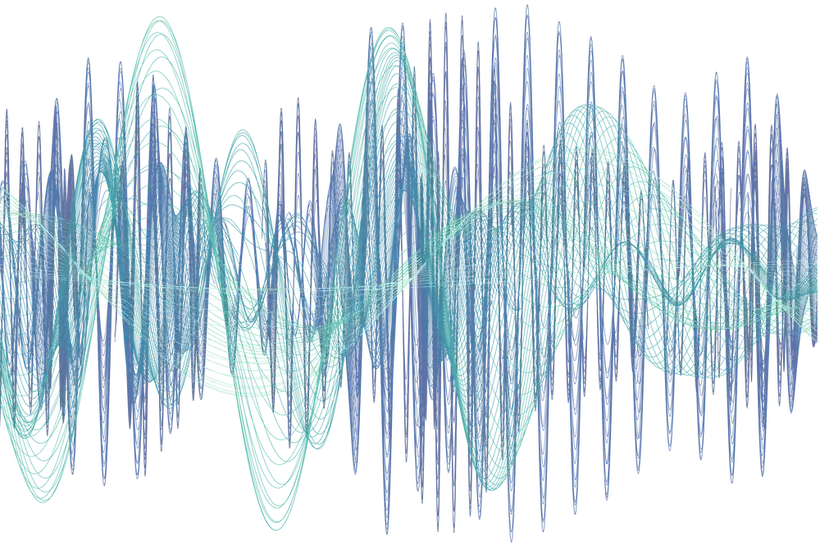
I pair precipitation-explicit nitrogen loading budgets with global climate models to assess how precipitation variability may impact ecosystem management, and use spectral and wavelet analysis of multi-decade monitoring data to interrogate the ecological impacts of management and climate change
Nitrogen fixation and biogenic gases
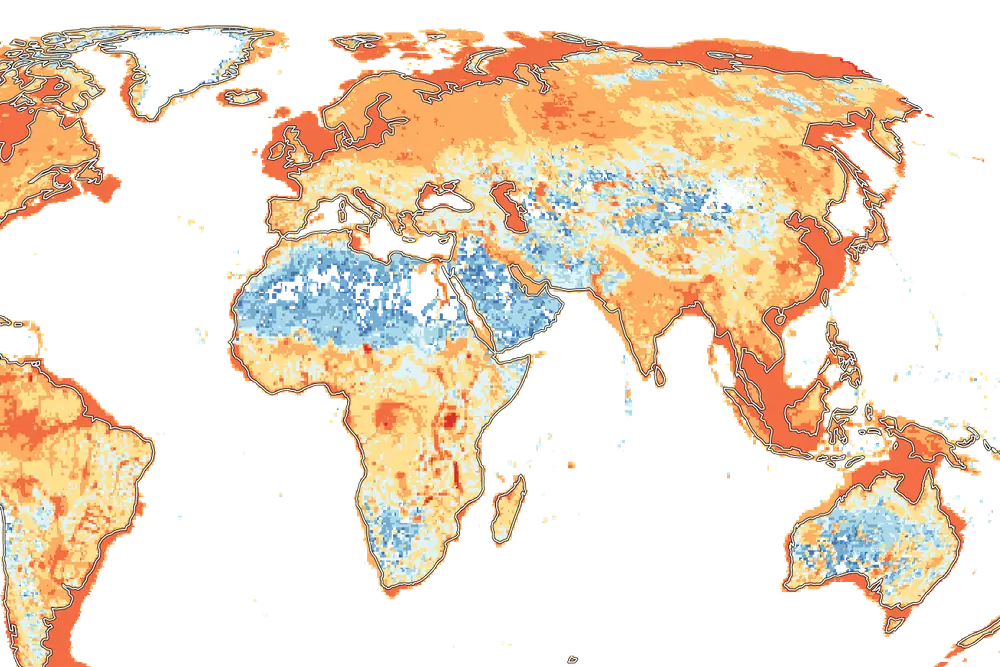
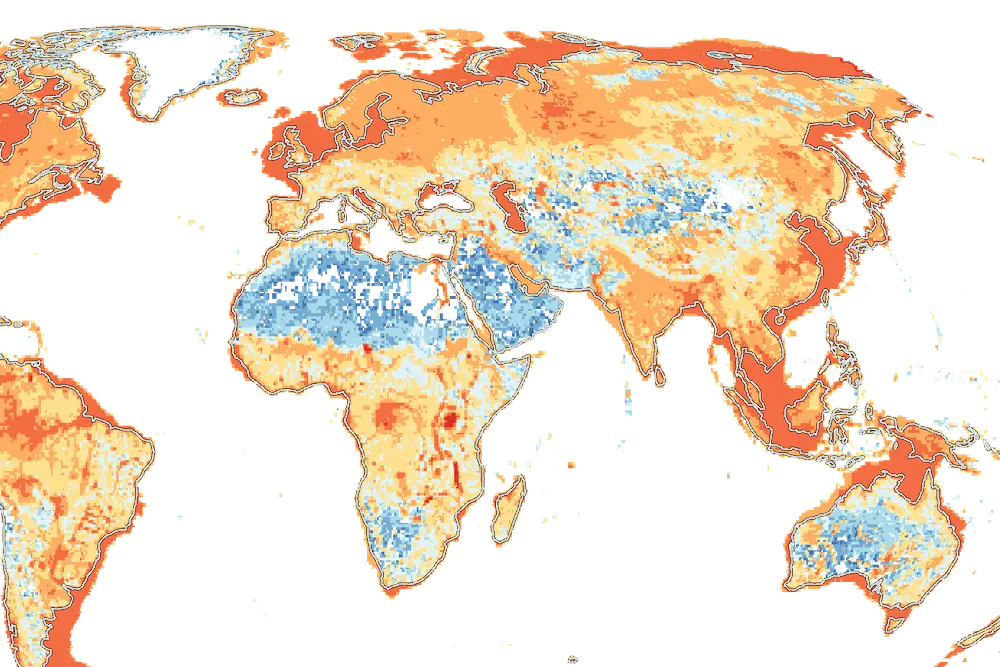
In collaboration with the Aquatic Nitrogen Fixation Research Coordination Network, I help synthesize global aquatic nitrogen fixation ratesand estimate their temporal and spatial distribution. I also measure biogenic gas fluxes across the sediment-water interface and have collaborated with greenhouse gas measurements in salt marshes.
Novel instrumentation
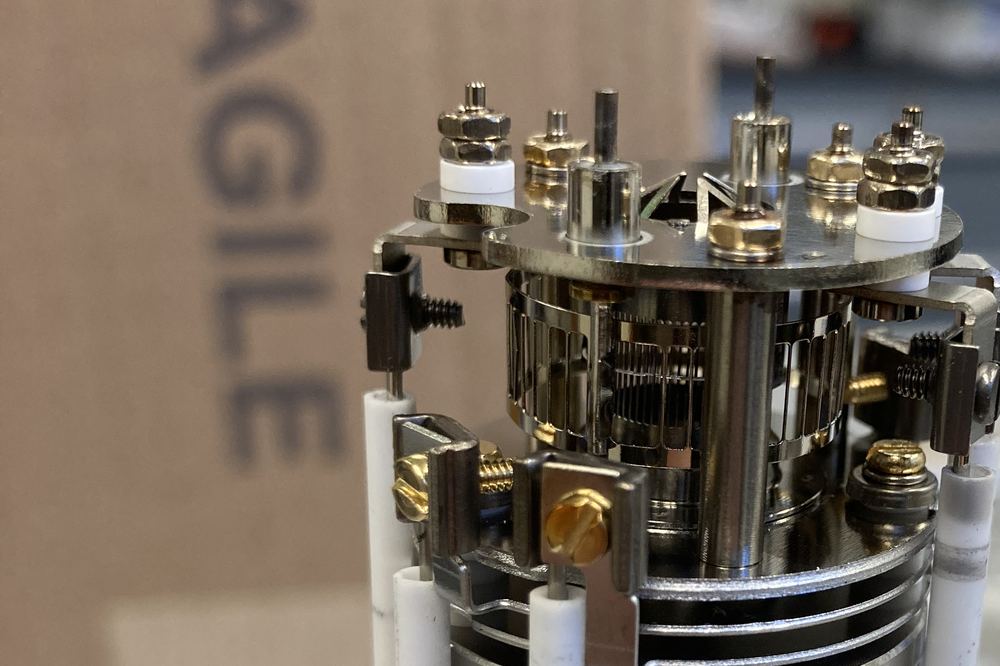
I develop best-practices for elemental analyzer isotope ratio mass spectrometry (EA-IRMS) and am constructing new tools for environmental monitoring, including in-situ underwater quadropole mass spectrometers.
Funding